Cesta
0
0,00 CAD
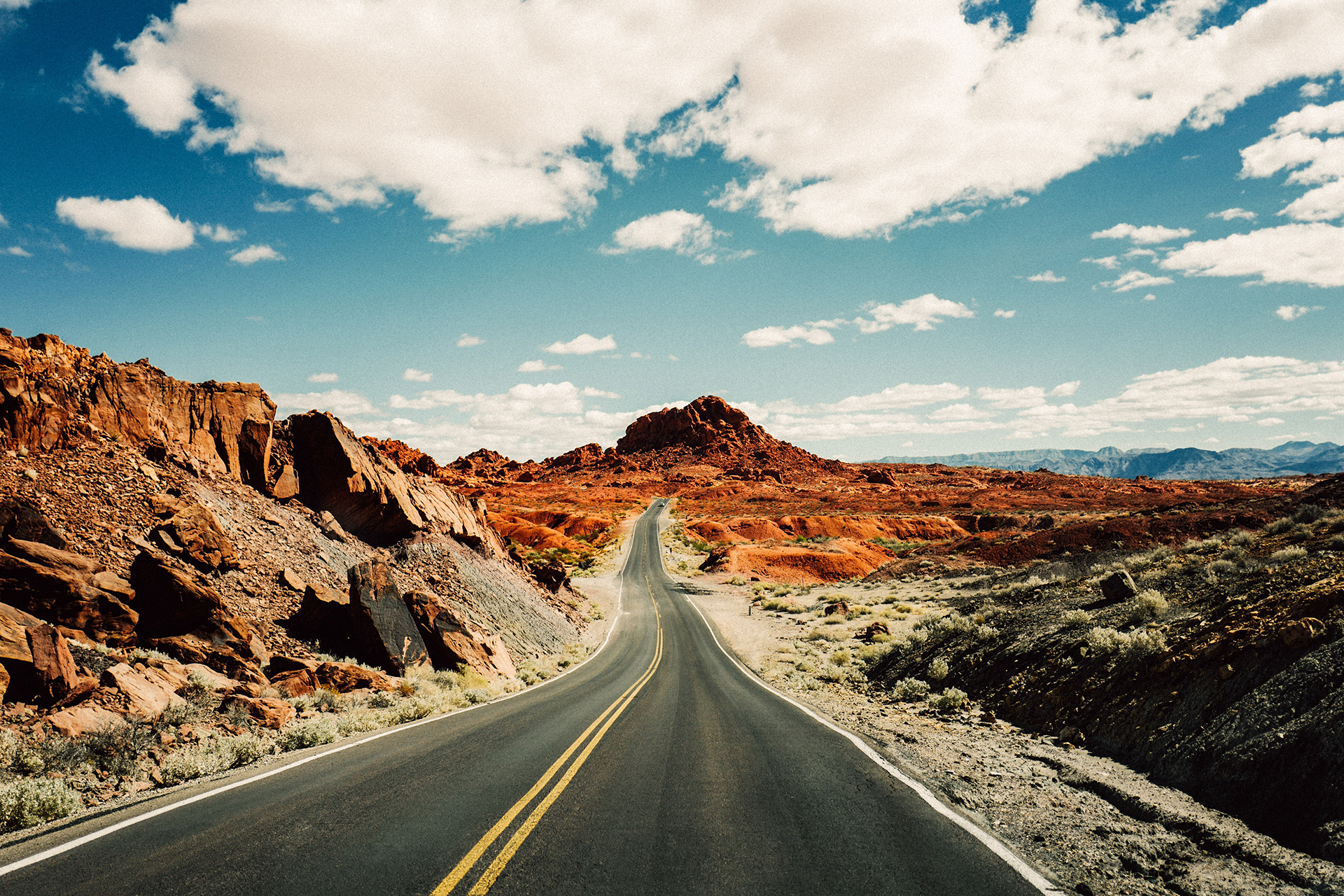
Tips and tools to plan the visit and itinerary to organize a perfect trip to Cuba, especially if it is the first time you travel to Cuba.
It is advisable to check that there are funds on the credit card in case you run out of cash, as well as print a copy of the medical insurance to show at the airport and check that the tourist card is included when booking the plane ticket.
Reserve some salsa lessons.
What to bring
Adapters for European and American plugs, and a good fanny pack to carry the money and documentation.
Basic first aid, analgesics and any necessary medication, apart from insect repellent, sun protection and sunglasses.
Metallic reserves in euros or dollars and, if you plan to travel long distances by road, bring energy bars.
Tips
If you want a contact with the real Cuba and the money stays in the pockets of the Cubans, you have to stay in a private house.
Bring toilet paper and hand soap, and drink bottled water.
The roads are irregular and driving is a challenge. It is cheaper to take a taxi than to rent a car.
Due to the strong bureaucracy, the answers to simple questions are not always obvious. You have to ask politely at least five people before making an important decision.
Cuba is complex and international media do not always reflect reality. You have to travel with an open mind and be prepared to be surprised, confused and frustrated.
What to wear
Cuba is a warm and humid country where you dress informally. Trousers, t-shirts and sandals are common; men usually wear guayabera (invented in Cuba), and women, tight lycra garments. In Cuba there are only two nudist beaches, frequented almost exclusively by foreigners. Cinemas and theaters normally do not allow men to enter in shorts.
Where to sleep
To avoid the high official rates, it is best to book in advance at the most popular private homes and at all-inclusive resorts.
Private houses: Cuban houses that rent rooms to foreigners; authentic and economic cultural immersion.
Camping: cheap rustic accommodation in rural areas, usually in bungalows or cabins.
Hotels: all Cuban hotels belong to the Government. Prices and quality vary.
'Resorts': large international category hotels with "all inclusive".
Private restaurants and private homes: They are those that give the best in food and service.
Hotels and 'resorts': the all-inclusive establishments have international cuisine, but after a week it is nondescript.
Public restaurants: variable food and service, from excellent places in Havana to others with unimaginative dishes in the provinces. The prices are usually lower than in the private ones.
Money
Cuba has two currencies although the government is proceeding to unify them: convertible pesos (CUC) and Cuban pesos (CUP) called "national currency" and abbreviated MN. Foreigners use almost exclusively convertibles.
Cuba is a monetary economy; Credit cards are rarely accepted outside of international hotels.
There are more ATMs and they usually accept credit and debit cards, although they are not as reliable as in Europe or North America. In case of doubt, it is better to inquire first inside the bank (there are usually queues).
Tips
In Cuba, tips are important. As most workers earn their salary in Cuban pesos (CUP), leaving a small tip in CUC (1 CUC = 25 CUP) makes a big difference.
'Resorts' / hotels: the bellboys, room service and bar and restaurant staff can be tipped.
Musicians: you should bring small bills to give the musicians in the restaurants when they pass the dish.
Restaurants: usually 10%; 15% if the service is excellent and / or the traveler feels generous.
Taxis: 10% if you go with a meter; otherwise, it is advisable to agree on the price in advance.
Protocol
Greetings: strangers shake hands; if they already know each other, they give one or two kisses on the cheek between men and women, and between women.
Conversation: Cubans do not like to talk about politics, especially with strangers and if this means being openly critical of the government.
Dancing: Cubans are nothing shameful when it comes to dancing. The best thing is to let go of shyness and let go.
Classic itinerary:
This route goes from Havana to Santiago, passing through many attractive places and the Víazul buses connect the following destinations. The traveler can fall in love with the classic Cuba in Havana, with its museums, forts, theaters and its rum. It takes at least three days to familiarize yourself with the main neighborhoods: Old Havana, Havana Center and Vedado. Then it's time to head west, to the bucolic enjoyment of Viñales, where you can enjoy a couple of days of hiking, speleology and relaxation in the rocking chair of a sunny colonial porch.
Arriving later on our route to Cienfuegos we make a stop of a day or two in Playa Larga, where we will enjoy the exquisite nature of the Cienaga de Zapata, then we do the same period of time in the historic Playa Girón where besides nature you will find one of the best areas of the Caribbean for diving.
From here there are daily buses to the Frenchified Cienfuegos, architectural monument to the neoclassicism of the s. XIX After a night of Fancesa elegance and Cuban music, 2 hours drive to the colonial Trinidad, with more museums per inhabitant than any other place on the island. The private houses of this city look like historical monuments, so it is advisable to stay three days. The second, you can choose between the beach (Playa Ancón) or the natural world (Topes de Collantes). Santa Clara is a must for the pilgrims of Che Guevara who visit its mausoleum, but it is also a place of luxurious private rooms and a lively nightlife. You have to see El Mejunje and have a drink at the La Marquesina bar.
To the east, Camaguey encourages us to investigate its labyrinth of churches and giant tinajones.
In the relaxed Bayamo began the Revolution and, if you are lucky enough to be there on Saturday, you will enjoy a fun street festival: the Fiesta de la Cubanía.
We must reserve a lot of time for the cultural center of Santiago de Cuba, where rebellion plans have been planned. The Moncada barracks, the Iphigenia cemetery and the Morro castle fill two full days. And the best for last. After a long, although not arduous, trip through the mountains that will take you to Baracoa, you can enjoy two relaxing days among coconuts, chocolate and tropical whims.
Taken exactly by the official site of:
https://www.lonelyplanet.es/blog/guia-practica-para-viajar-a-cuba